Modern life offers endless ways to spend – from social media shopping and trend-driven purchases to food delivery subscriptions and betting apps. While occasional indulgences are normal, frequent impulse spending can quickly damage your finances. In this blog, we’ll explore how to recognize these temptations and make the first step toward preserving your financial health.
The Vice Economy Explained
The vice economy refers to industries that generate revenue from products, services, or experiences that people often consume and tend to have addictive qualities. One of the reasons why the vice economy thrives is because it taps into human psychology leveraging convenience, rewards, social influence, and emotional triggers that encourage continuous spending. This pattern can lead to financial problems that erode savings, increase debt, and delay important financial goals.
Social Media Shopping and Trending Spending
Social media has significantly changed the way we shop, creating a constant sense of urgency and FOMO (fear of missing out). What was once a search-driven, time-consuming task has become a seamless experience, where features on TikTok, Instagram, and Facebook allow us to discover, compare, and purchase products within seconds – often without ever leaving the app.
What was once a simple scrolling session has now become a shopping experience filled with targeted advertisements, influencer recommendations, flash sales, and one-click purchasing options. Live-stream shopping events hosted by brands and influencers, carefully curated lifestyles, and authentic reviews make purchases feel necessary instead of optional.
Long-Term Costs
- Increased impulse spending
- Higher credit card balances
- Reduced savings contributions
- Lifestyle inflation
- Difficulty distinguishing wants from needs
Gambling and Sports Betting
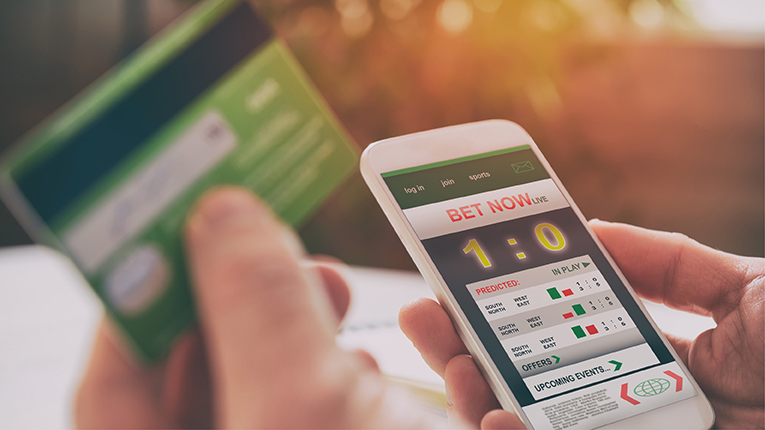
Online casinos, mobile betting apps, and sports betting platforms have made gambling available anytime, anywhere. Their addictive design and constant access make it harder to stop because there are fewer natural breaks. This can keep people caught in the cycle of chasing a win, where excitement can lead to poor judgment, risky decisions, and impulse spending. Recreational gambling may be okay in moderation, but doing it too often can put long-term financial stability at great risk.
Long-Term Costs
- Significant financial losses and constraints
- Increased debt and high-interest loans
- Emotional and mental stress and anxiety
- Relationship strain
- Reduced ability to achieve financial goals
The Daily Caffeine Habit
A morning coffee may seem harmless, and for many people it is. However, spending money daily at coffee shops, on energy drinks, or making multiple purchases throughout the day adds up. A $7 coffee purchased five days a week totals roughly $1,800 a year. While occasional treats are part of a balanced lifestyle, frequent convenience purchases deserve reconsideration.
Long-Term Costs
- Reduced discretionary income
- Less money available for saving, paying debt, and investing
- Increased dependance on convenience spending
- Normalization of small but recurring expenses
Subscription Overload
Streaming services, fitness apps, meal delivery plans, memberships, gaming subscriptions, cloud storage, and software tools can quietly drain a budget. Individually, subscriptions can be affordable but as a whole, they can cost you hundreds or even thousands of dollars every year.
Long-Term Costs
- Budget leakage
- Paying for unused services
- Reduced financial flexibility
- Difficulty tracking recuring expenses
Convenience Spending
Food delivery apps, ride-sharing services, expedited shipping when ordering things online, and other convenience-based services does save time but can often come with added costs. In some situations, convenience spending may make the most financial sense, but when it becomes the default choice rather than an occasional buy, it can pose potential financial risk.
Long-Term Costs
- Higher monthly spending
- Limited opportunities to save
- Increased reliance on convenience
- Less intentional spending habits

The Hidden Lifestyle Costs of the Vice Economy
Financial implications of the vice economy go beyond just dollars and cents. Over time, it can create lifestyle patterns that become difficult to break. This phenomenon – also known as lifestyle creep – happens when a person’s discretionary spending increases alongside their income. This behavioral change blurs the lines between needs and wants, turning ‘luxury’ items into ‘necessities.’ Lifestyle creep can squander your savings, increase loan balances and debt, and prevent you from reaching your financial goals.
Common lifestyle effects include:
- Living paycheck to paycheck
- Reduced emergency savings
- Increased financial stress
- Delayed retirement planning
- Dependance on credit cards for routine expenses
Replace Instant Gratification with High-ROI Habits
By understanding how modern temptations and vices influence spending behavior, you’ll be able to make informed decisions and maintain control over your financial future. The key isn’t avoiding every indulgence – it’s ensuring your money supports the life you want tomorrow, not just the impulses you want today.
Consider these strategies for helping practice intentionality:
Protect Your Financial Future with Balance
At Peach State, we believe financial wellness starts with awareness and education. Understanding financial behaviors, triggers, and patterns is the first step toward creating a healthier financial future. As a member of Peach State, you have FREE access to financial education and resources from the industry experts at Balance. Balance provides one-on-one guidance for debt and budgeting, credit review, and more. If you need help developing a plan to save more, reduce debt, raise your credit, or plan for retirement, we encourage you to get started today!
Balance paired with our budgeting tools, savings accounts, affordable loans, and personalized guidance, can help you build healthy habits and support long-term success and financial stability. Remember, financial wellness isn’t about deprivation – it’s about intentionality. If you'd like help consolidating debts, refinancing an auto loan, applying for a mortgage, or transferring high balance credit cards to a more affordable card, we can help you find ways to save. Contact us today to get started!